
Public Policy, Technology, and Economic Development.
Strategic innovation for inclusive economies
Adrián Rodríguez is a strategy and innovation leader whose career spans government service, nonprofit institution-building, and technology-enabled systems reform. Trained as a lawyer and public policy professional, he has led cross-sector initiatives that modernize public systems, strengthen institutional accountability, and expand economic opportunity for small and underserved businesses. His work bridges AI, procurement reform, and economic development—translating complex policy and operational challenges into data-driven, deployable solutions. Across consular leadership roles, policy directorships, international engagements through the U.S. Department of State, and the design of AI-enabled public-interest tools, he has consistently focused on building inclusive economic infrastructure that aligns technological innovation with equity, transparency, and long-term institutional capacity.
Adrián Rodríguez’s work is grounded in a three-pillar framework of strategic innovation that integrates public policy, technology, and economic development into a single operating model. At its foundation is public policy: a commitment to transparency, regulatory compliance, risk mitigation, and the equitable distribution of economic opportunity. He approaches technology—particularly artificial intelligence—not as a standalone industry, but as horizontal infrastructure comparable to electricity or transportation networks. From this perspective, he advances principles of algorithmic transparency and human-in-the-loop design to ensure systems are accountable, bias-aware, and aligned with public interest mandates. The third pillar, economic development, centers on “operationalizing equity”: engineering policy objectives, macroeconomic strategy, and technological architecture in deliberate alignment so that inclusion is embedded in institutional design rather than treated as an afterthought.
In today’s macroeconomic environment, where digital transformation has shifted from aspiration to operational necessity, he focuses on closing the structural gap between rapid technological capability and compliance-heavy public systems. Recognizing that conventional Silicon Valley innovation models often clash with governance requirements, he advances an alternative approach: aligning institutional constraints, ethical safeguards, and technological deployment from inception. The result is a pragmatic framework that enables governments, enterprises, and entrepreneurs to integrate AI and digital systems in ways that strengthen accountability, expand market access, and drive inclusive economic growth.
This framework is reinforced by more than a decade of experience sourcing, structuring, and scaling cross-sector alliances across SaaS, fintech-adjacent, and institutional ecosystems. He has led cross-functional teams spanning product, data, engineering, and policy, and built strategic partnerships that drive platform adoption, institutional engagement, and responsible deployment. His academic training—a Master of Public Policy from the University of Chicago, an Executive Certificate in Leading Economic Growth from the Harvard Kennedy School, and a Bachelor of Laws—grounds his practice in analytical discipline and institutional economics.
Promoting Mutual Understanding
Selection as a U.S. Department of State Speaker is both highly competitive and deeply consequential. Speakers are chosen not only for subject-matter expertise, but for their ability to represent the United States with intellectual rigor, cultural awareness, and institutional credibility across global contexts. The role requires engaging diverse audiences—from students and entrepreneurs to ministers and senior public officials—while navigating complex political, economic, and cultural environments.
For Adrián Rodríguez, serving as a U.S. Speaker has meant delivering substantive, non-partisan programming on artificial intelligence, economic opportunity, and institutional reform in countries facing distinct development challenges and policy constraints.
Each engagement demands careful preparation, adaptability, and accountability, ensuring that ideas are not only compelling, but relevant and responsible. The invitation to serve reflects a level of trust placed in speakers to advance dialogue on innovation, democracy, and inclusive growth—making the role both an honor and a professional responsibility.
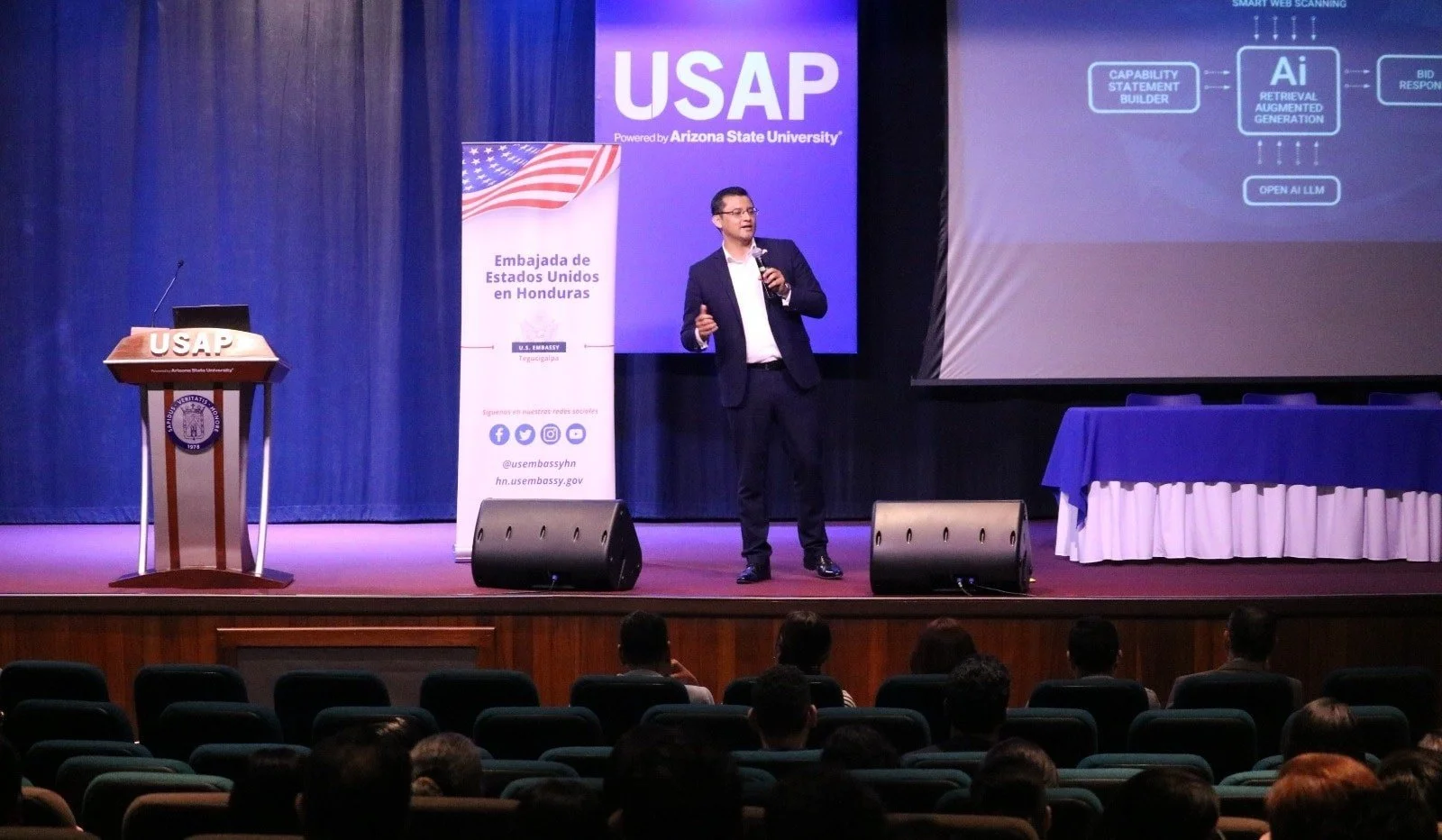
Honduras, San Pedro Sula. USAP (Universidad de San Pedro Sula) formed part of the U.S. Speaker Program “Leveraging Artificial Intelligence for Business” (June 22–26, 2025), where Rodríguez delivered a presentation on the responsible integration of artificial intelligence in higher education, addressing current student use of AI and emerging institutional adoption trends.
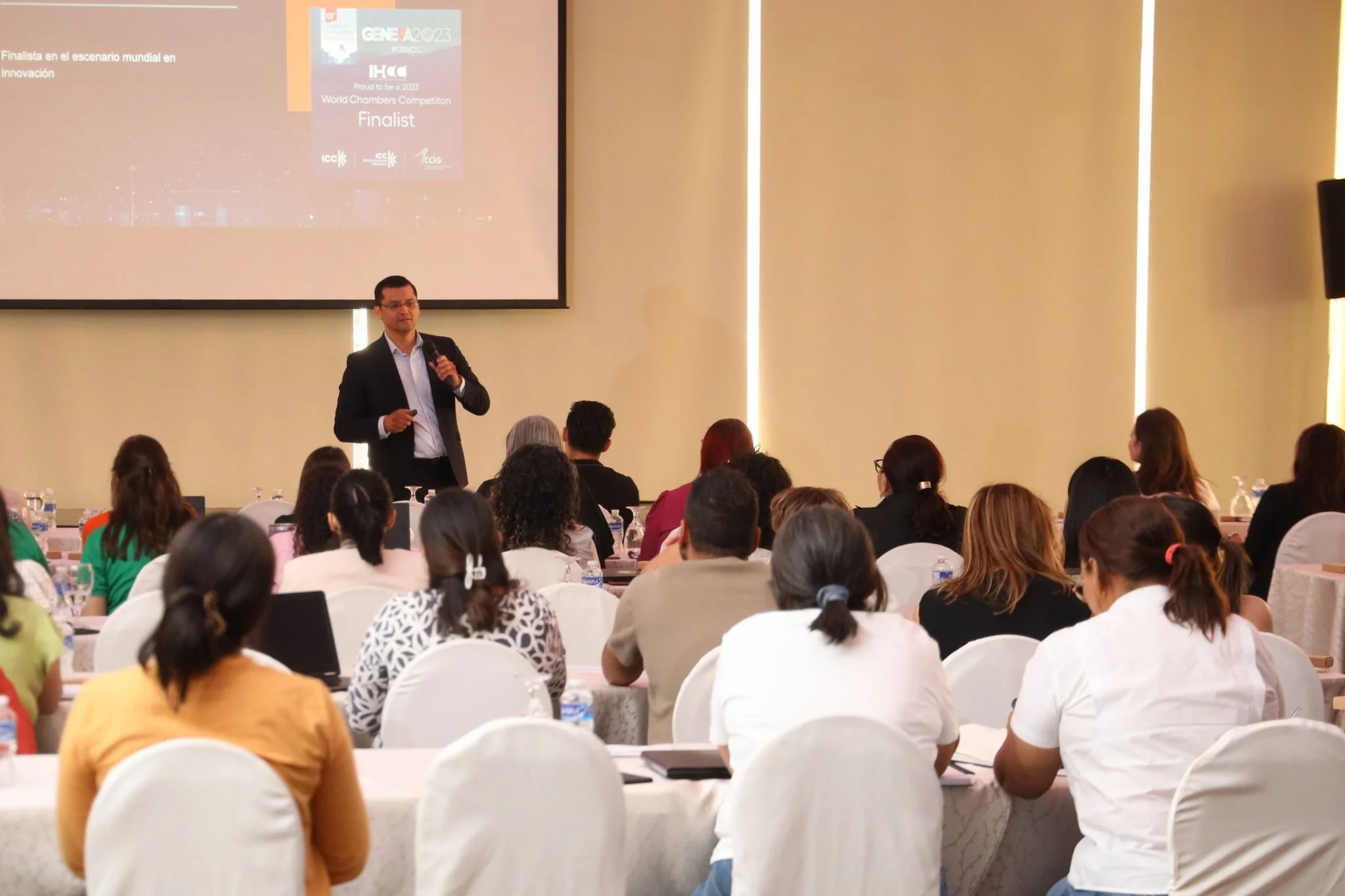
Honduras, San Pedro Sula. Club Hondureño Árabe, hosted convening with business leaders and institutional stakeholders, U.S. Department of State U.S. Speaker Program, “Leveraging Artificial Intelligence for Business” (June 22–26, 2025). Rodríguez engaged private-sector and chamber-affiliated leaders in discussions on AI adoption, data-driven competitiveness, and the role of responsible technology integration in strengthening regional economic ecosystems.
Honduras, Tegucigalpa. Consejo Hondureño de la Empresa Privada (COHEP), executive convening with business leaders and journalists, U.S. Department of State U.S. Speaker Program, “Leveraging Artificial Intelligence for Business” (June 2025). Rodríguez presented on AI-enabled data strategy, operational decision systems, and the implications of emerging AI trends for national competitiveness and enterprise modernization.
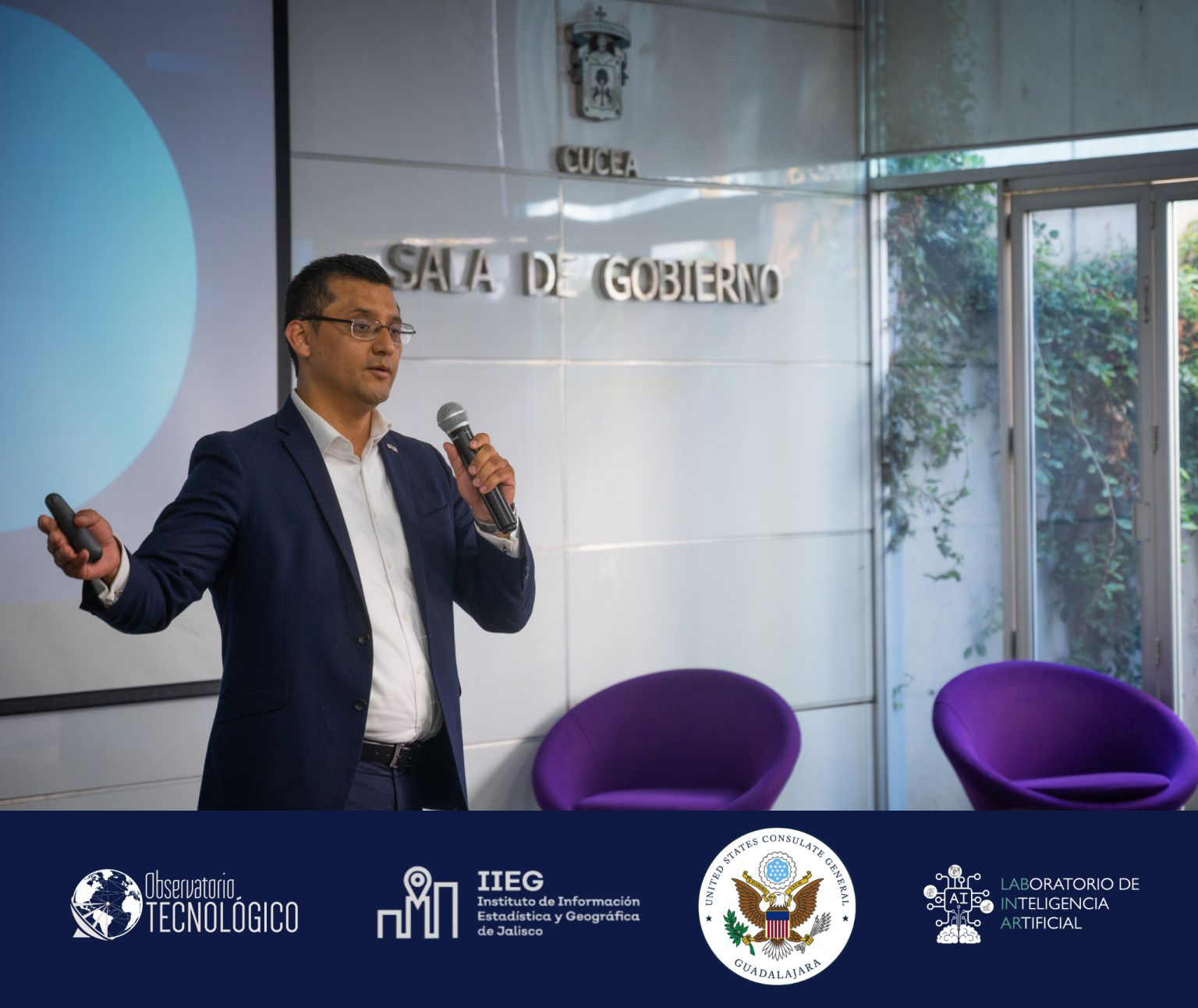
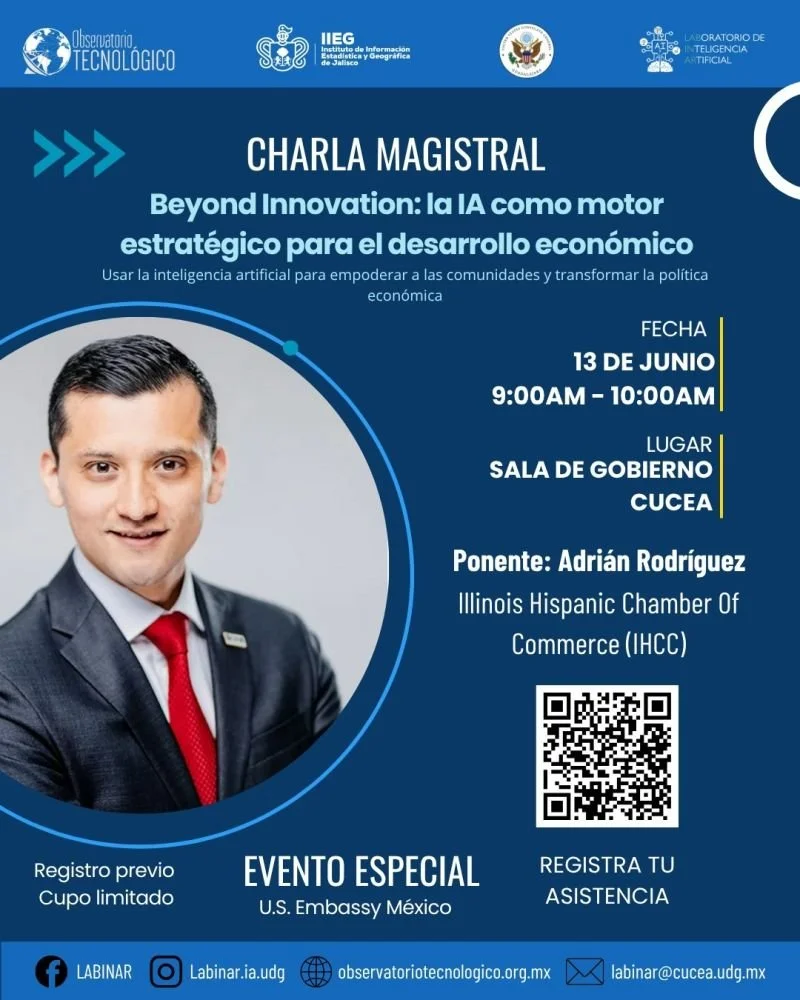
Mexico, Guadalajara, Jalisco. Universidad de Guadalajara (CUCEA) and institutional convenings under the U.S. Department of State U.S. Speaker Program, Target of Opportunity (June 13, 2025). Rodríguez delivered the conference “Beyond Innovation: AI as a Strategic Lever,” addressing the role of artificial intelligence in institutional competitiveness, public-sector modernization, and responsible adoption frameworks. The engagement was coordinated with the U.S. Embassy Mexico and U.S. Consulate General Guadalajara as part of bilateral public diplomacy programming.
Honduras, Tegucigalpa. National television program “Frente a Frente” (hosted by Renato Álvarez), U.S. Department of State U.S. Speaker Program, “Leveraging Artificial Intelligence for Business” (June 24, 2025). Rodríguez participated in a live panel discussion on the importance of artificial intelligence and responsible implementation, addressing national audiences on governance considerations, economic impact, and institutional adoption trends.
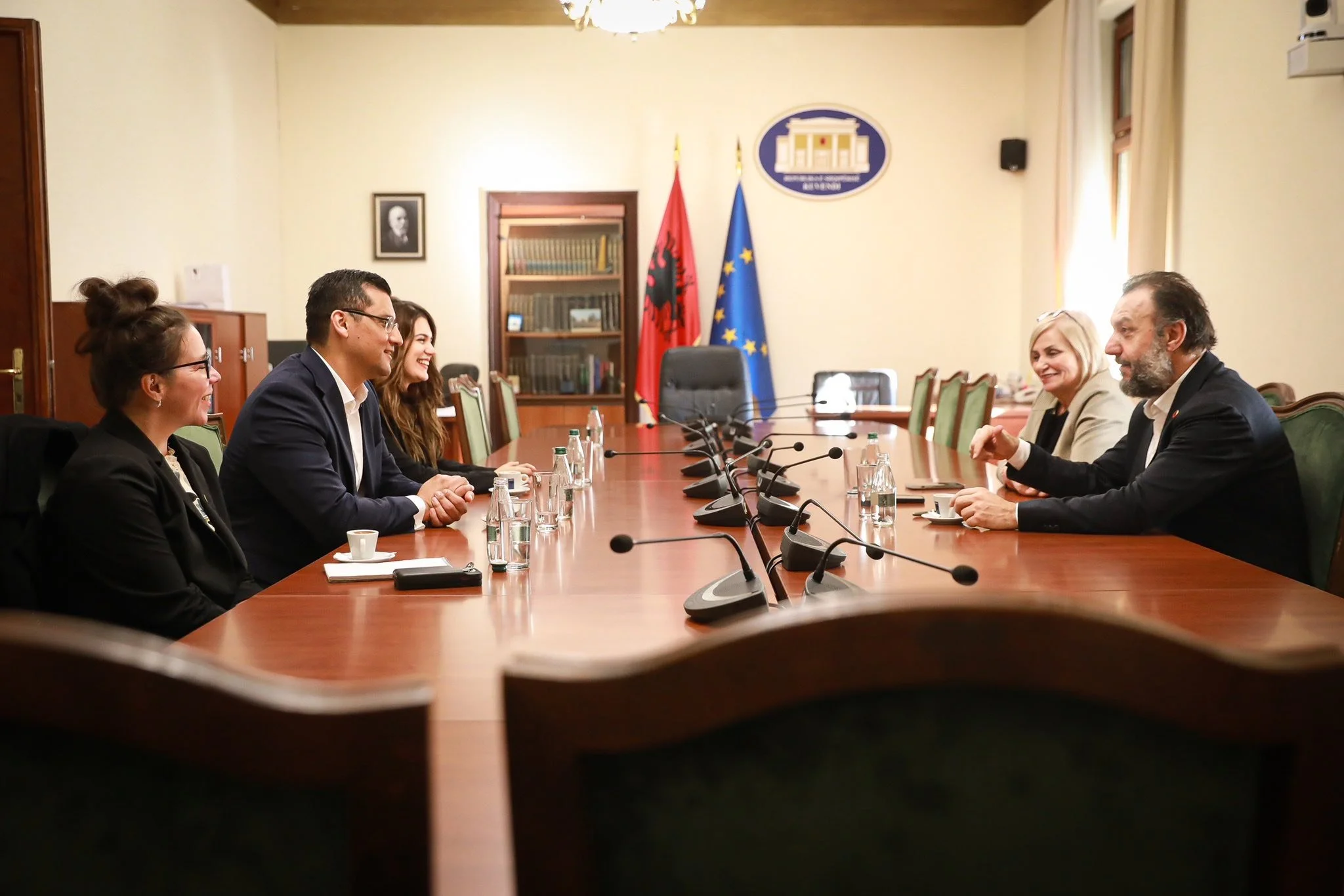
Albania, Tirana. Parliament of Albania, bipartisan meetings with Members of Parliament, U.S. Department of State U.S. Speaker Program (December 19, 2025). Rodríguez discussed governance implications of AI-enabled procurement systems, regulatory alignment, anti-corruption safeguards, and institutional modernization strategies within Albania’s public-sector reform agenda.
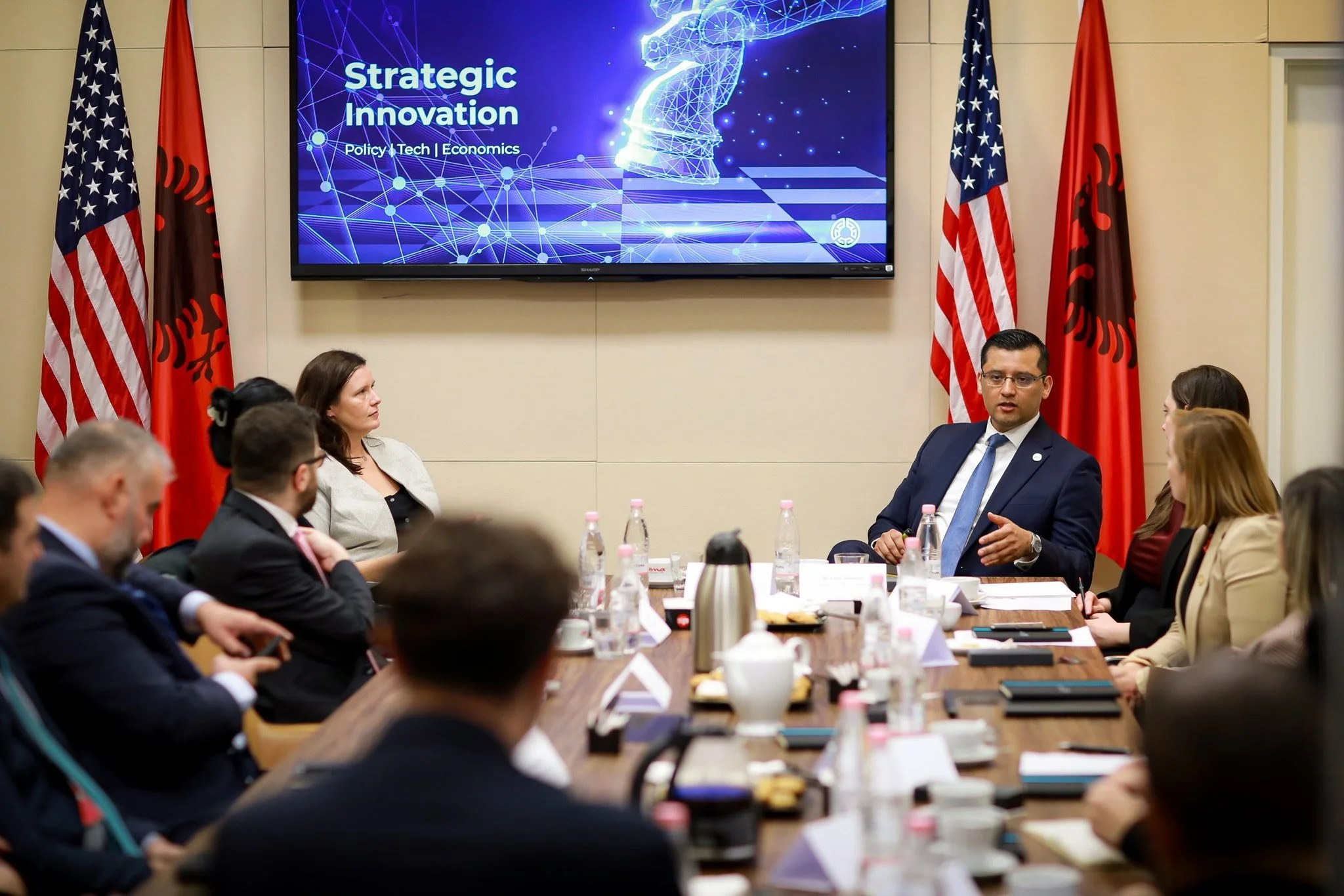
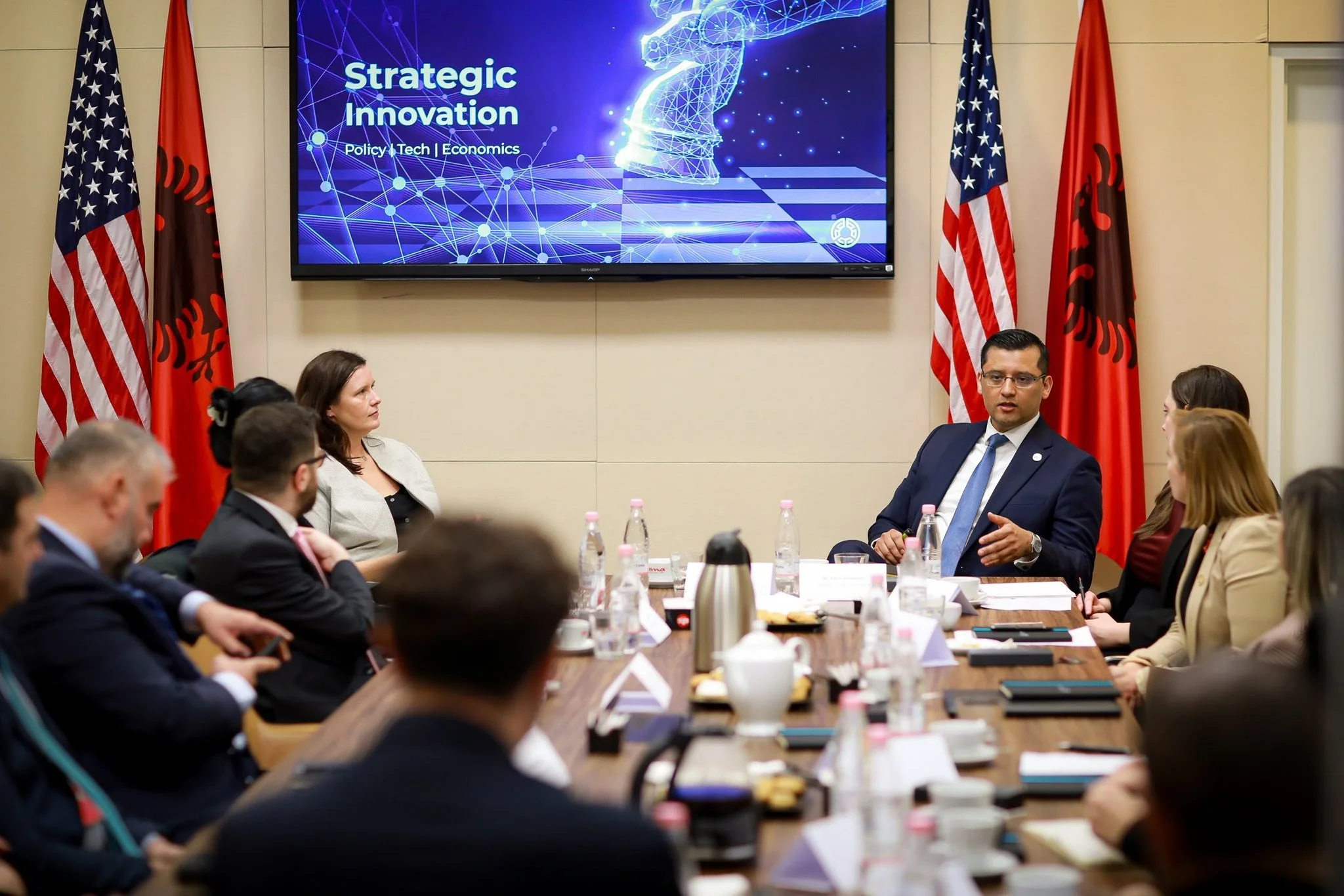
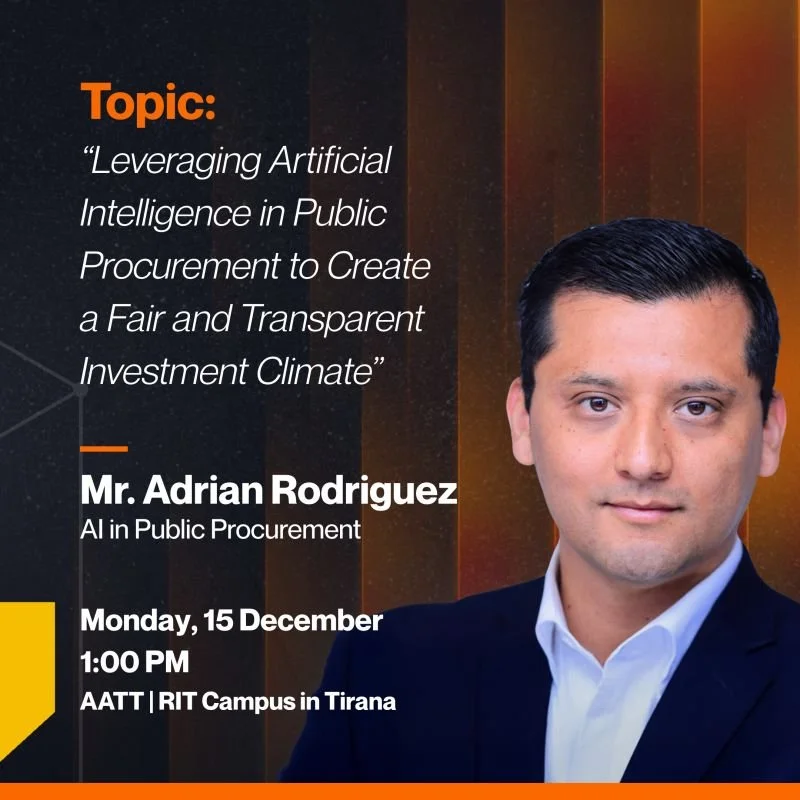
Albania, Tirana. Government Roundtable with the Public Procurement Agency (APP), Public Procurement Commission, Centralized Purchases Operator, Ministry of Justice, Ministry of Finance, Ministry of Economy and Innovation, Ministry of Foreign Affairs, and AKSHI (National Agency for Information Society), U.S. Department of State U.S. Speaker Program, “Promoting Transparency and Fairness through AI in Public Procurement” (December 15, 2025). Rodríguez led a closed-door discussion on AI-enabled procurement reform, including risk scoring, anomaly detection, compliance safeguards, and governance frameworks to strengthen transparency, institutional integrity, and public trust in tendering processes.
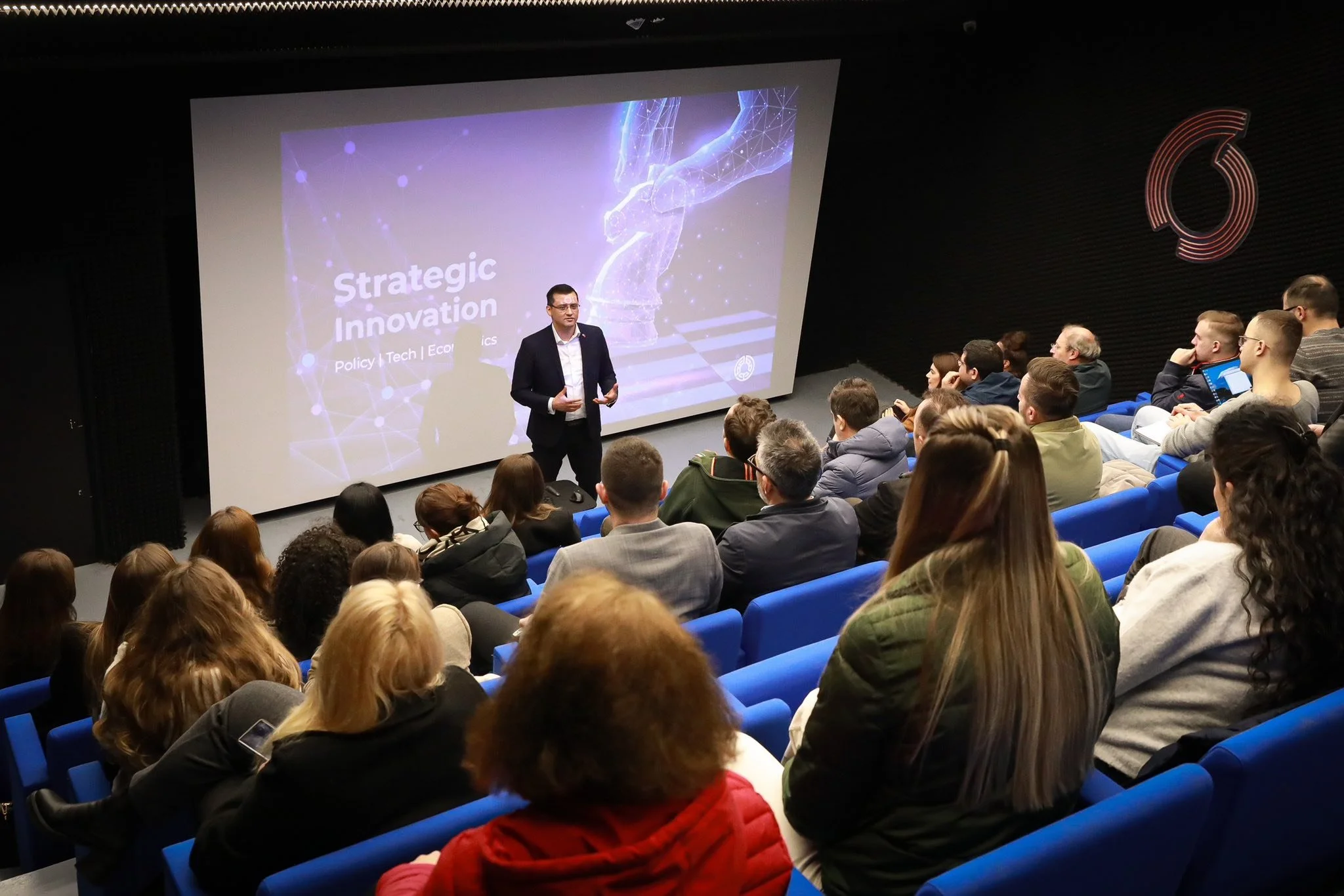
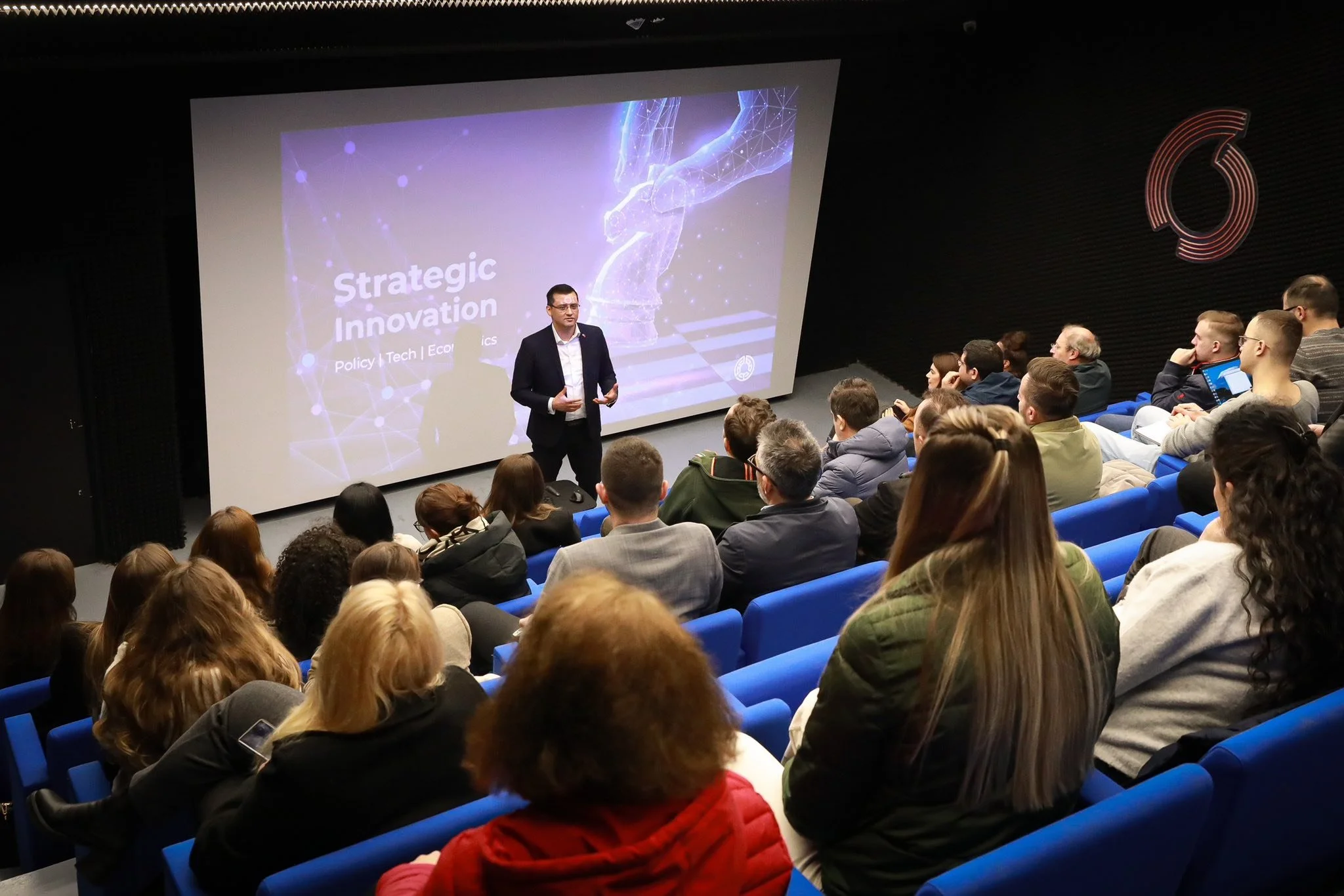
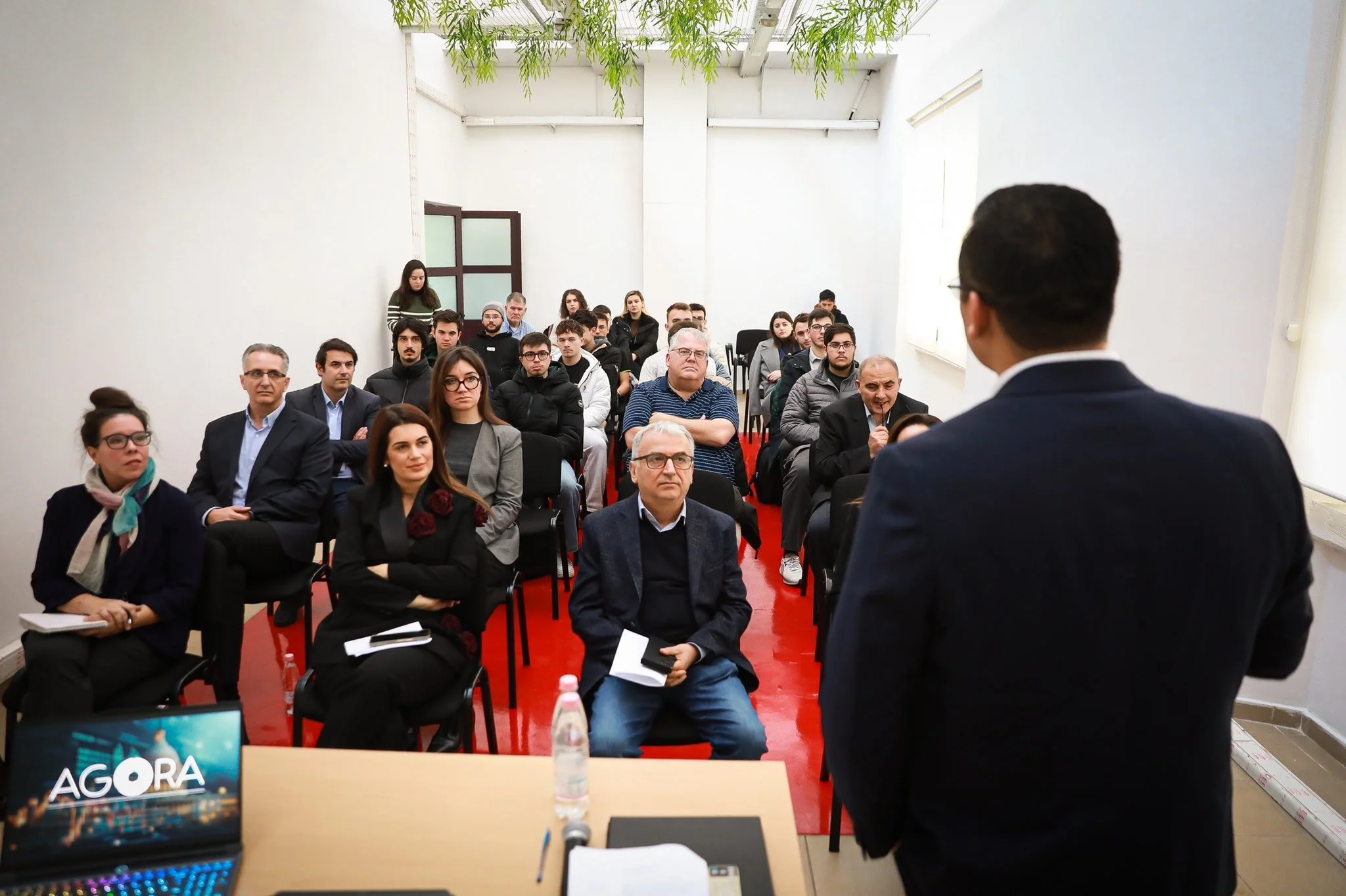
Albania, Tirana. Tirana Pyramid, Small–Medium Enterprise (SME) Training, U.S. Department of State U.S. Speaker Program, “Promoting Transparency and Fairness through AI in Public Procurement” (December 16, 2025). Rodríguez led a capacity-building session for Albanian SMEs featuring hands-on simulations and interactive discussion on integrating artificial intelligence into business operations, emphasizing practical deployment, governance considerations, and scalable adoption across varying levels of technical maturity.
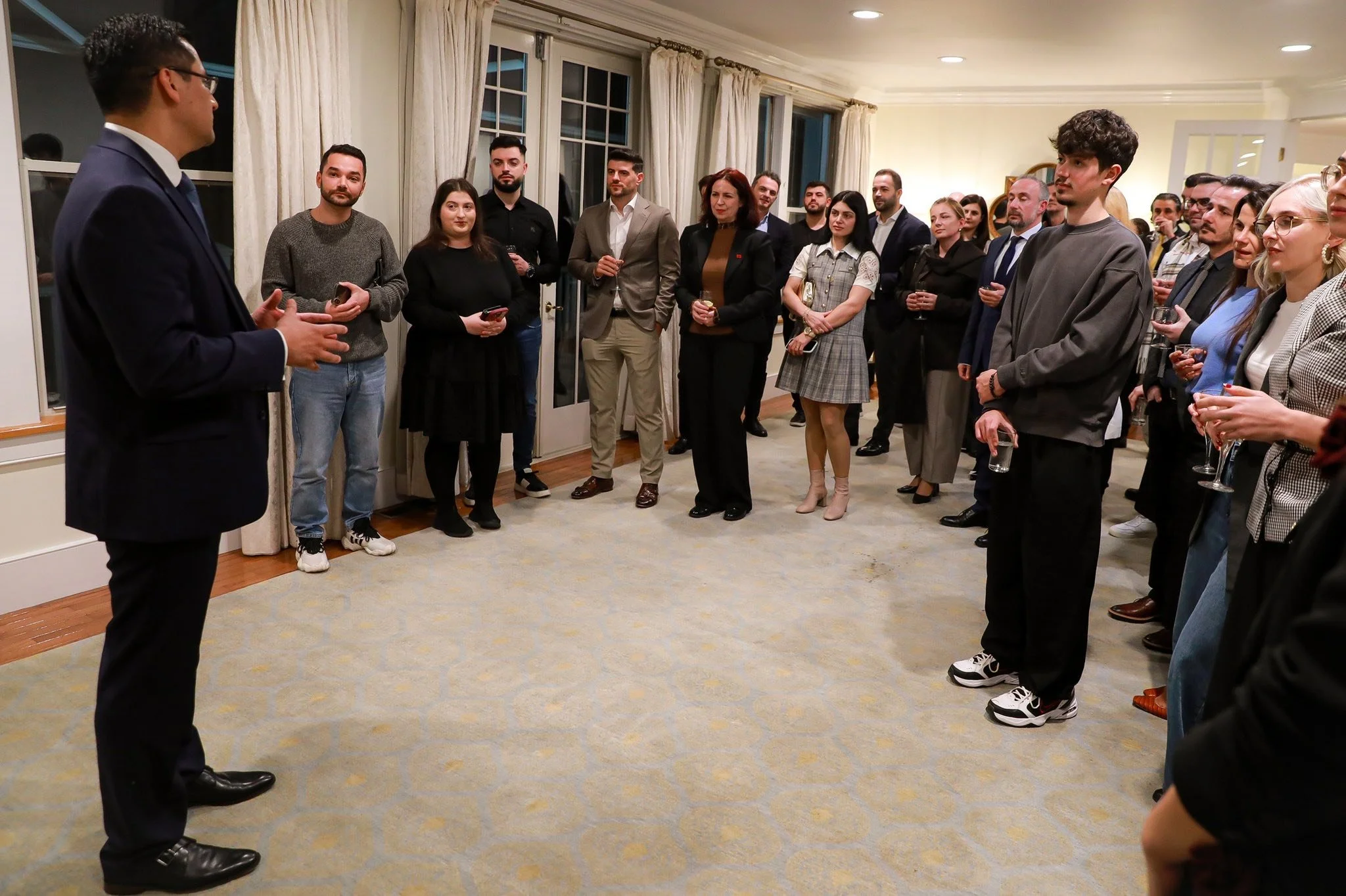
Albania, Tirana. Reception at the Chief of Mission Residence (CMR), U.S. Embassy Tirana, U.S. Department of State U.S. Speaker Program, “Promoting Transparency and Fairness through AI in Public Procurement” (December 15, 2025). Rodríguez participated in a diplomatic reception with government officials, business leaders, and institutional stakeholders to discuss AI-driven procurement reform, transparency standards, and opportunities to strengthen U.S.–Albania economic cooperation through responsible technology adoption.
México, Michoacán, Morelia. USAP (Universidad de San Pedro Sula) formed part of the U.S. Speaker Program “Leveraging Artificial Intelligence for Business” (June 22–26, 2025), where Rodríguez delivered a presentation on the responsible integration of artificial intelligence in higher education, addressing current student use of AI and emerging institutional adoption trends.
United States, Chicago, Illinois. Telemundo Chicago, televised interview on the economic impact of U.S. elections (2025). Rodríguez provided analysis on market expectations, small business sentiment, public spending outlook, and the implications of electoral outcomes for local economic activity, investment behavior, and urban economic stability.
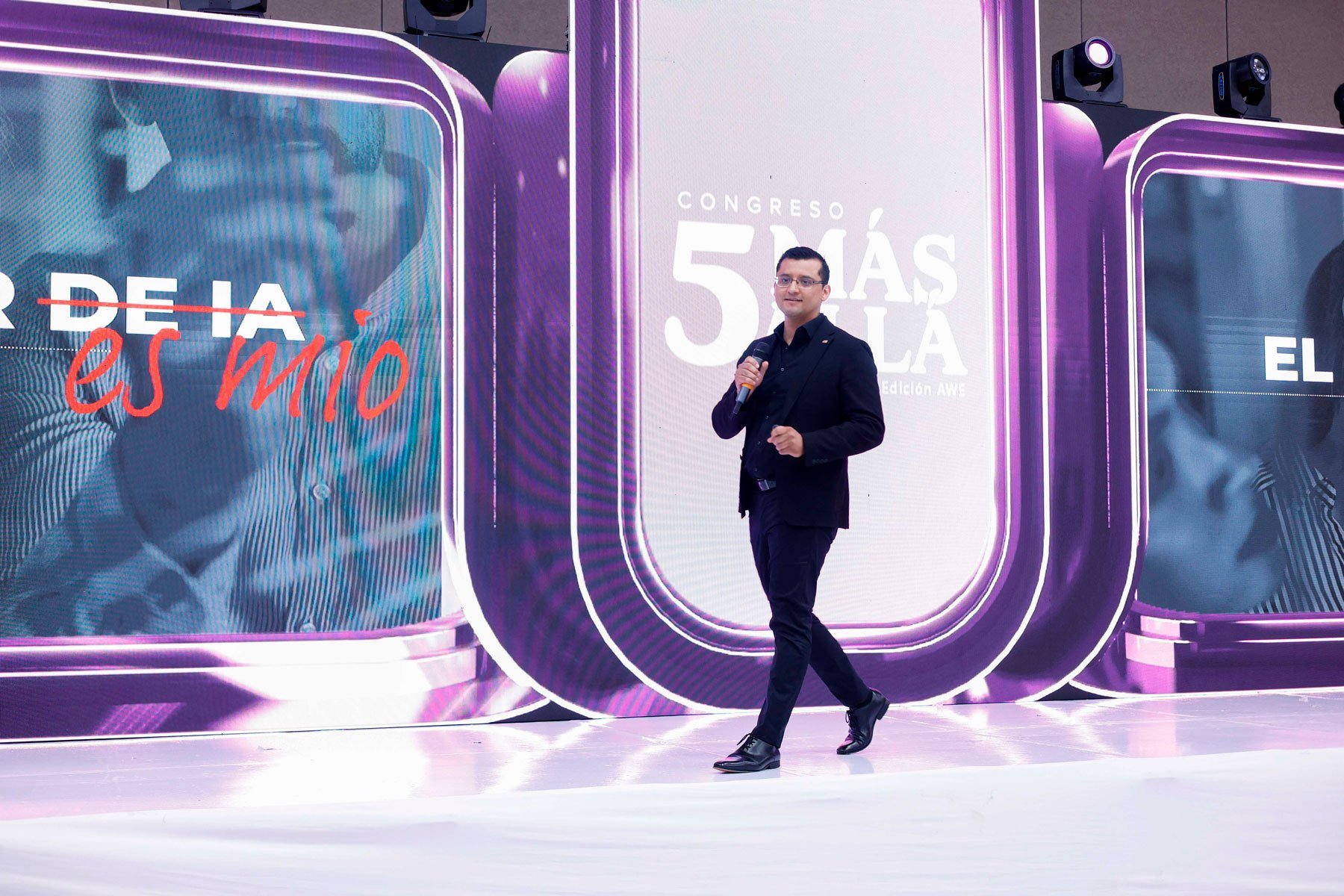
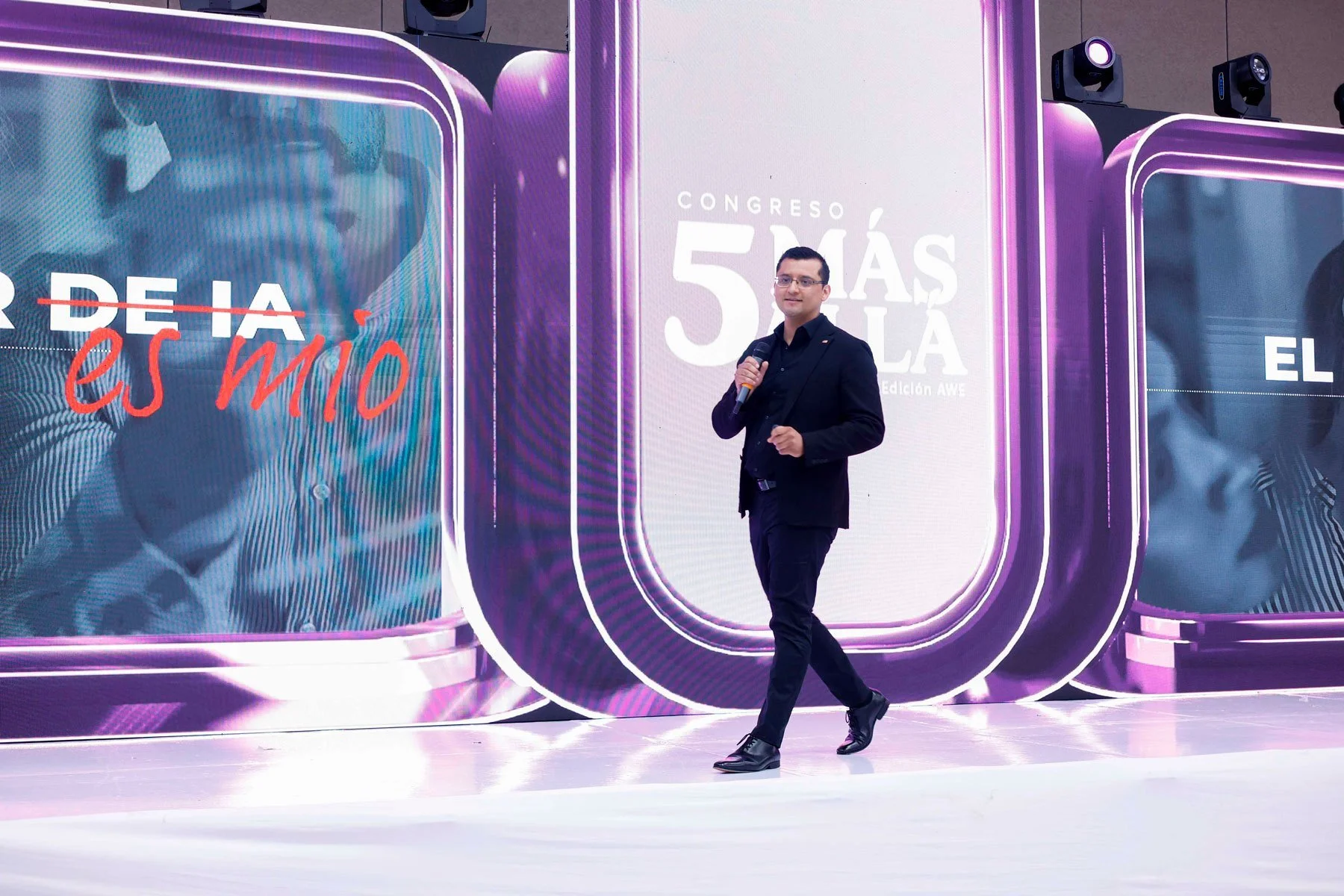
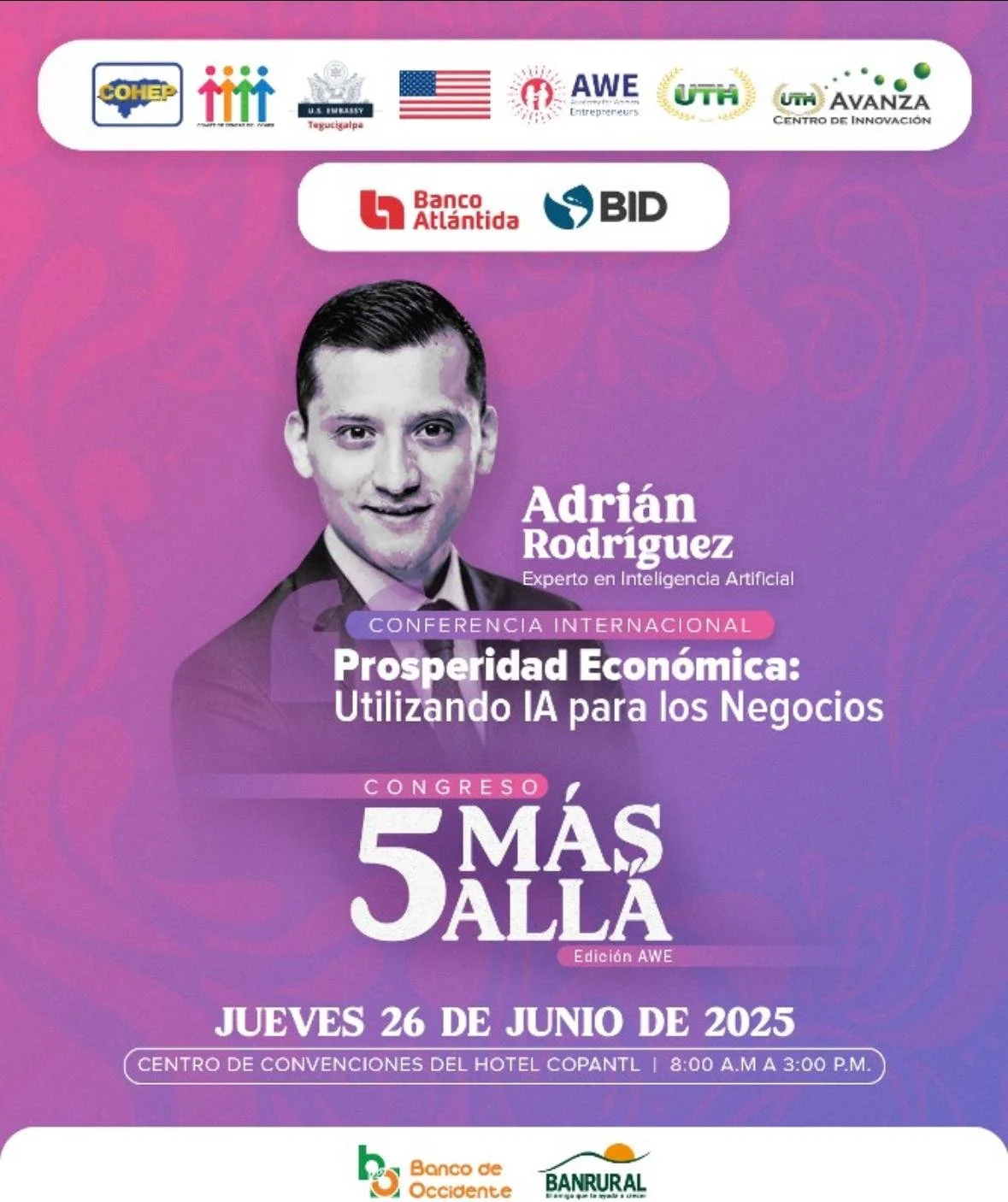
Honduras, San Pedro Sula. Centro de Convenciones Copantl, AWE Cinco Más Allá Conference (Academy for Women Entrepreneurs), U.S. Department of State U.S. Speaker Program, “Leveraging Artificial Intelligence for Business” (June 22–26, 2025). Rodríguez participated in the opening session and engaged women entrepreneurs on the application of artificial intelligence to small business development, digital competitiveness, and responsible technology adoption.
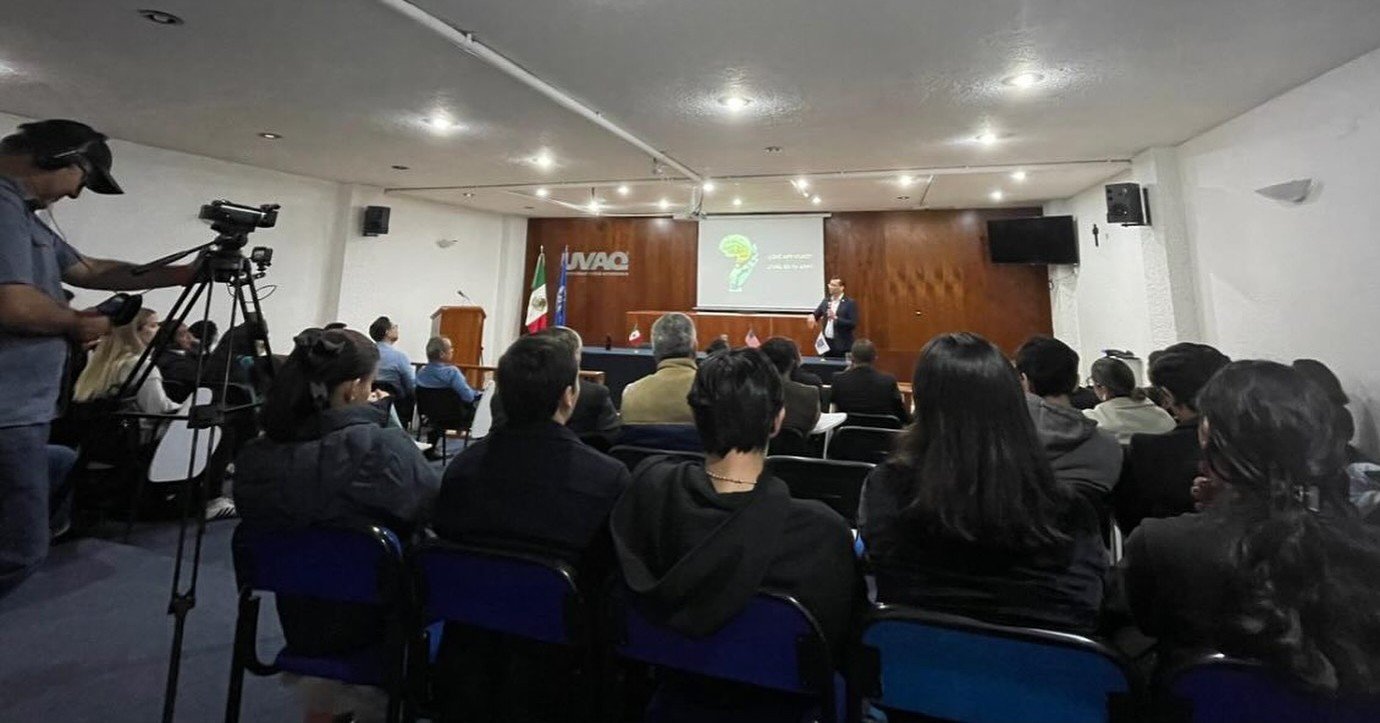
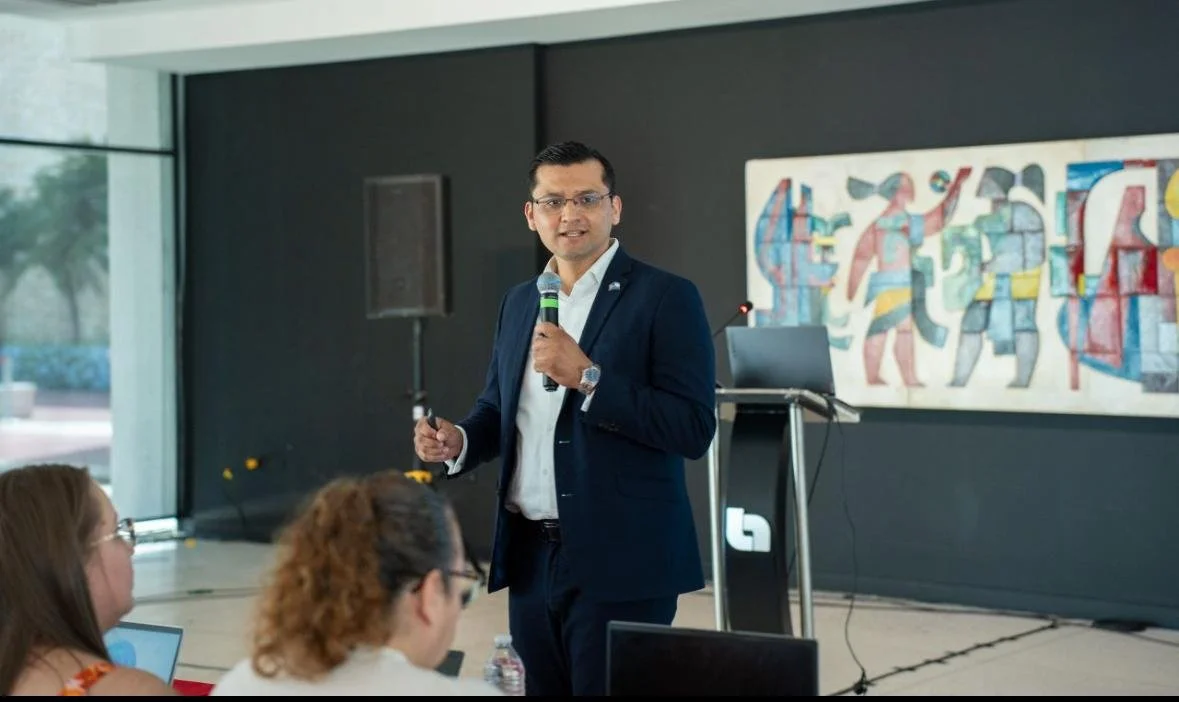
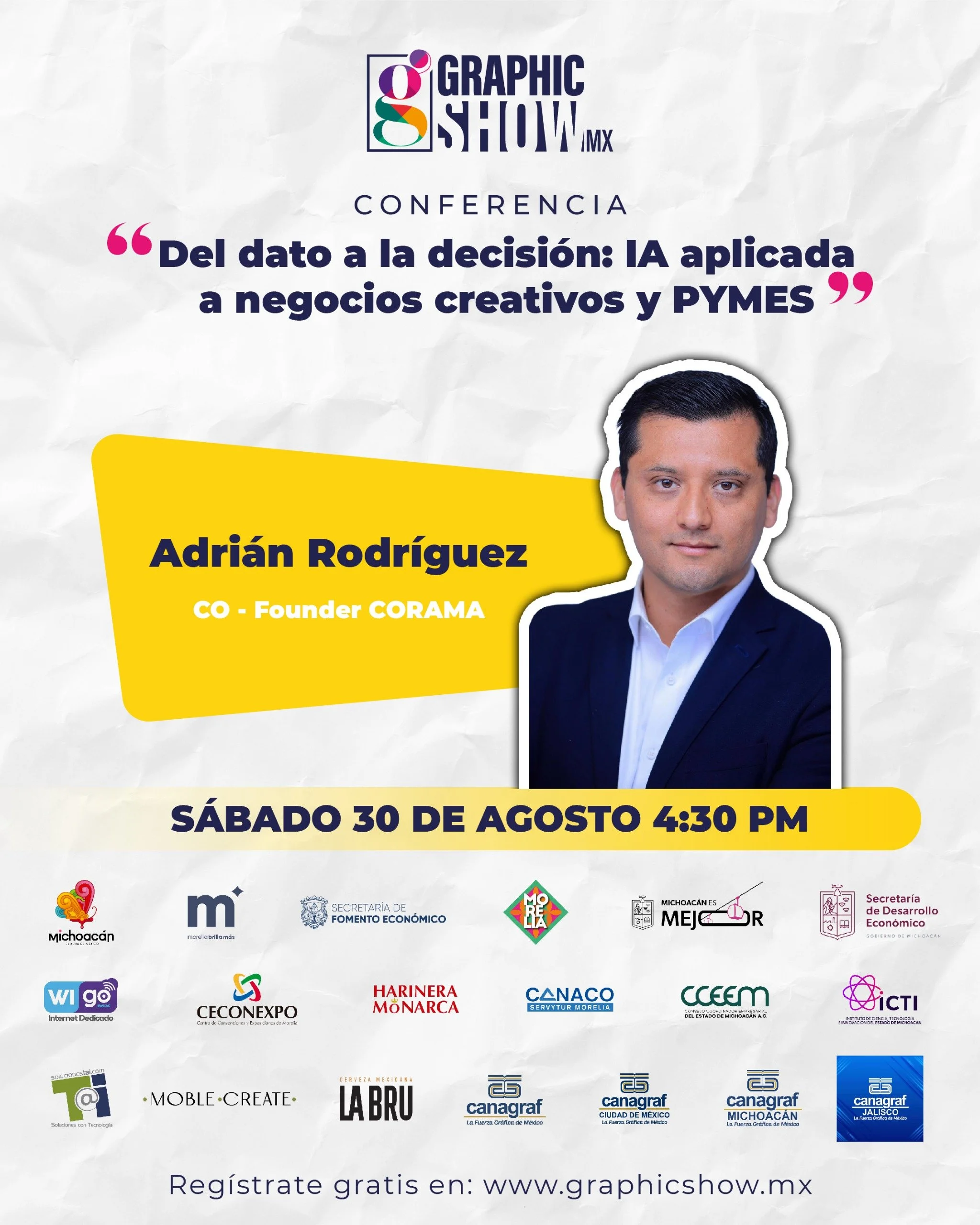
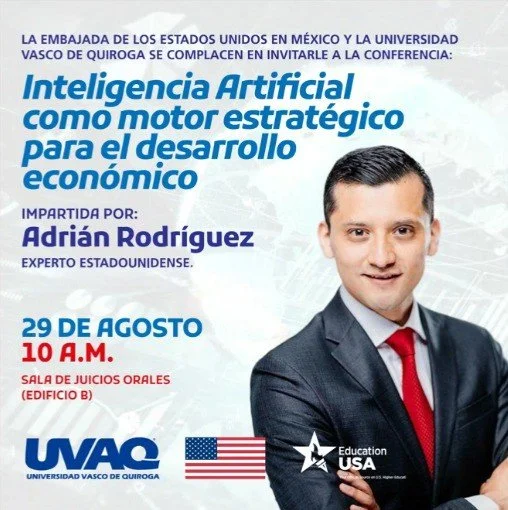
México, Michoacán, Morelia. Participation in the U.S. Speaker Program – AI for Small Business Development at Universidad Vasco de Quiroga (UVAQ), organized by the U.S. Embassy Mission Mexico, Morelia, August 29, 2025.
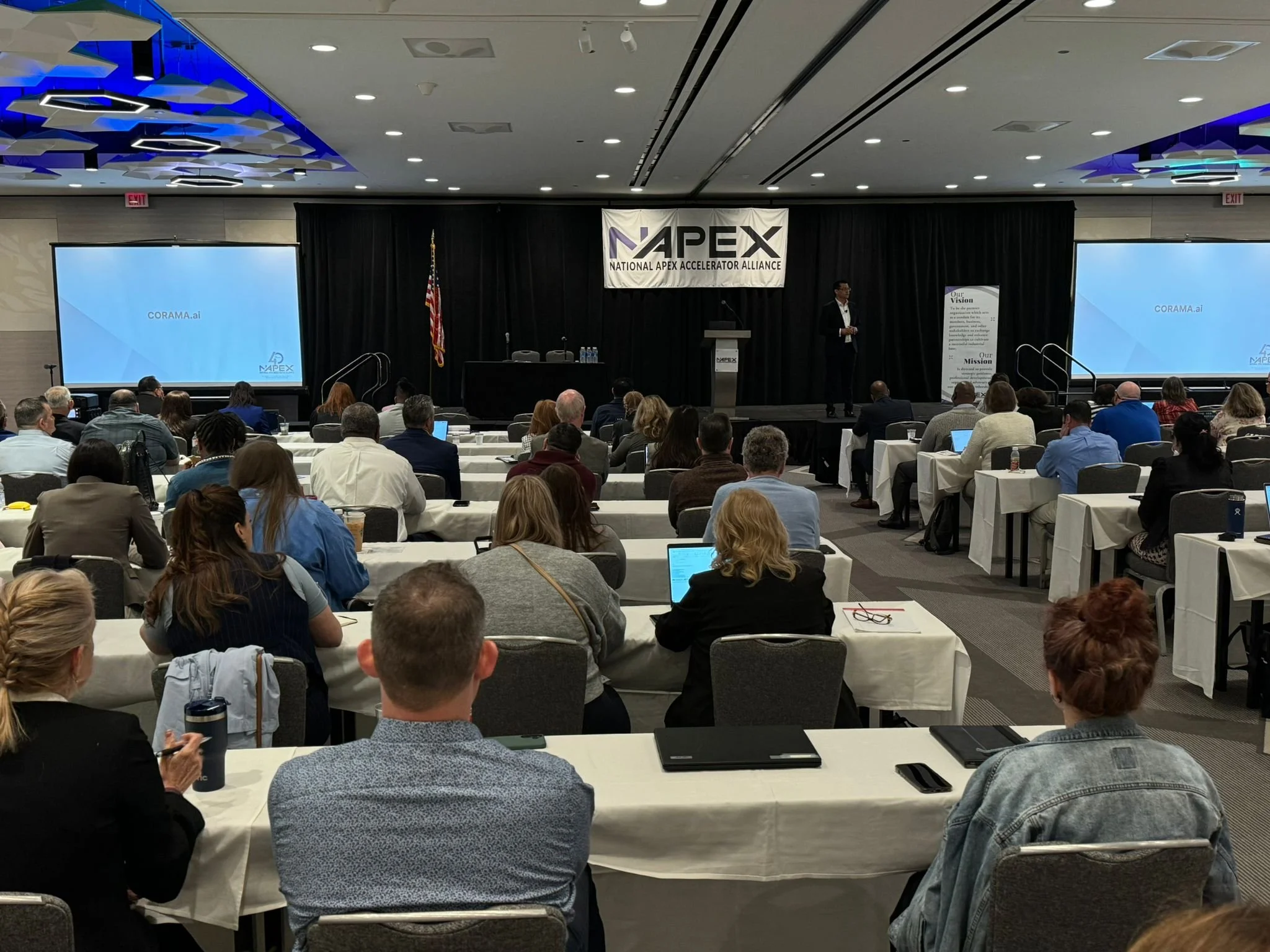
United States, Washington, DC. NAPEX 2025 Fall Conference, Hyatt Regency Capitol Hill (November 2–6, 2025). Rodríguez delivered the breakout session “Everyday AI, Extraordinary Impact: Simple Tools to Empower Your Client Work,” demonstrating accessible AI tools for nonprofit advisors and consultants, with practical applications in strategy, operations, communications, and compliance. The session emphasized responsible AI adoption and hands-on implementation for professionals without technical backgrounds.
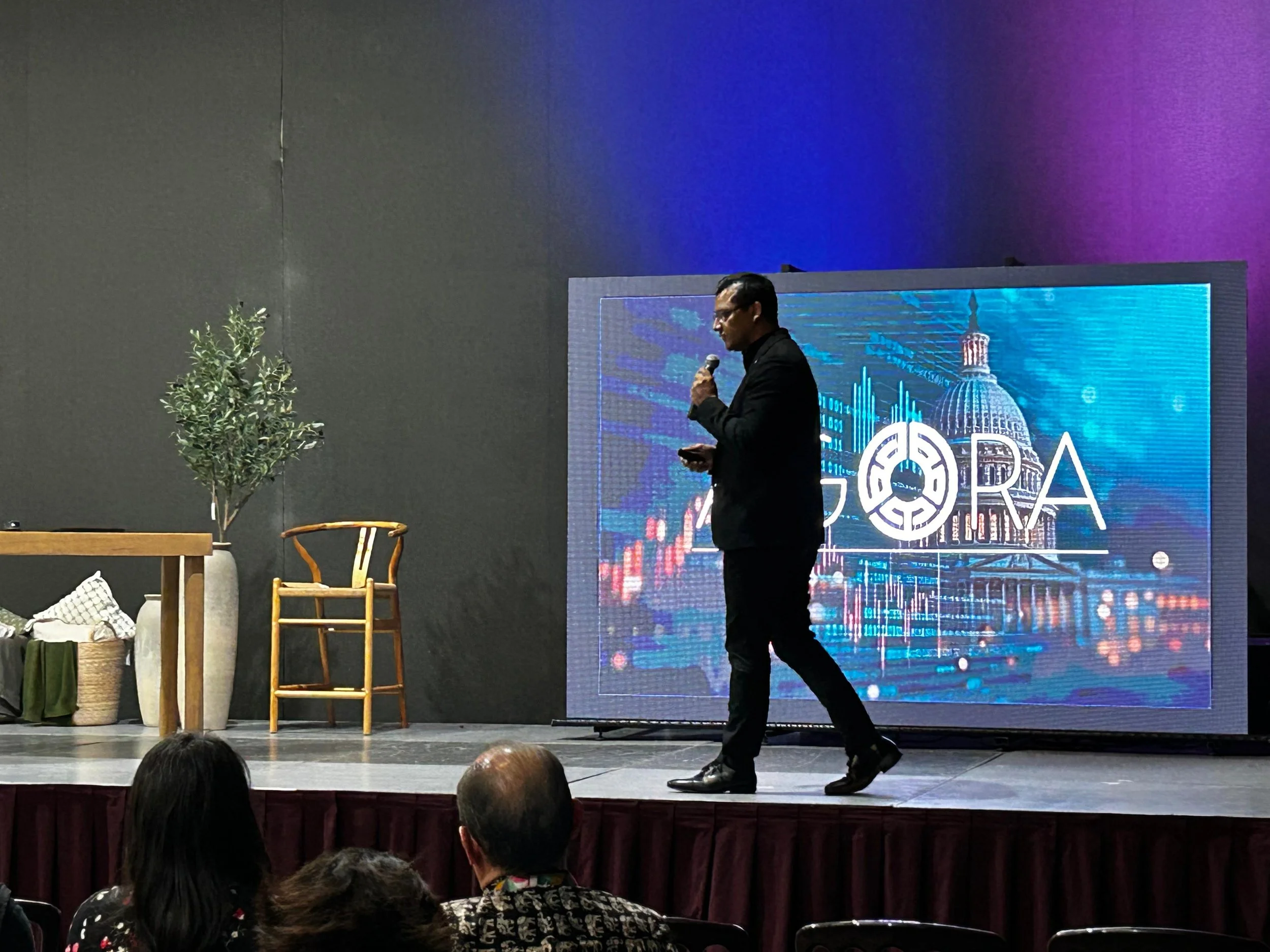
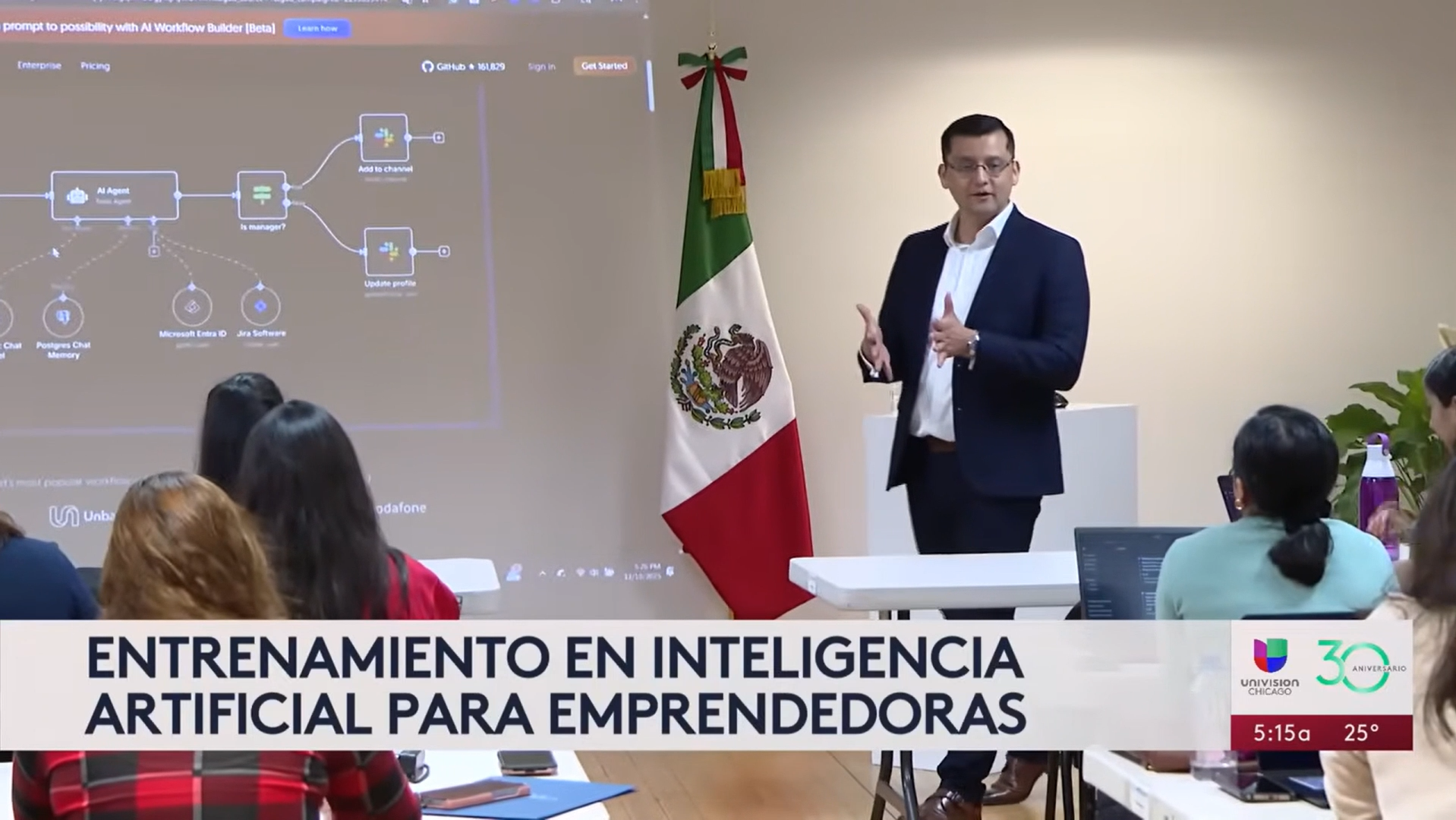
United States, Chicago, Illinois. Consulate General of Mexico in Chicago, in collaboration with AGORA and the Instituto de Mexicanas y Mexicanos en el Exterior (SRE). Workshop series for 40 women entrepreneurs on applied artificial intelligence for small business development (2025). Rodríguez facilitated hands-on sessions demonstrating accessible AI tools to strengthen operations, marketing, and strategic decision-making, emphasizing practical adoption regardless of prior technical experience and advancing digital inclusion as a pathway to economic autonomy.
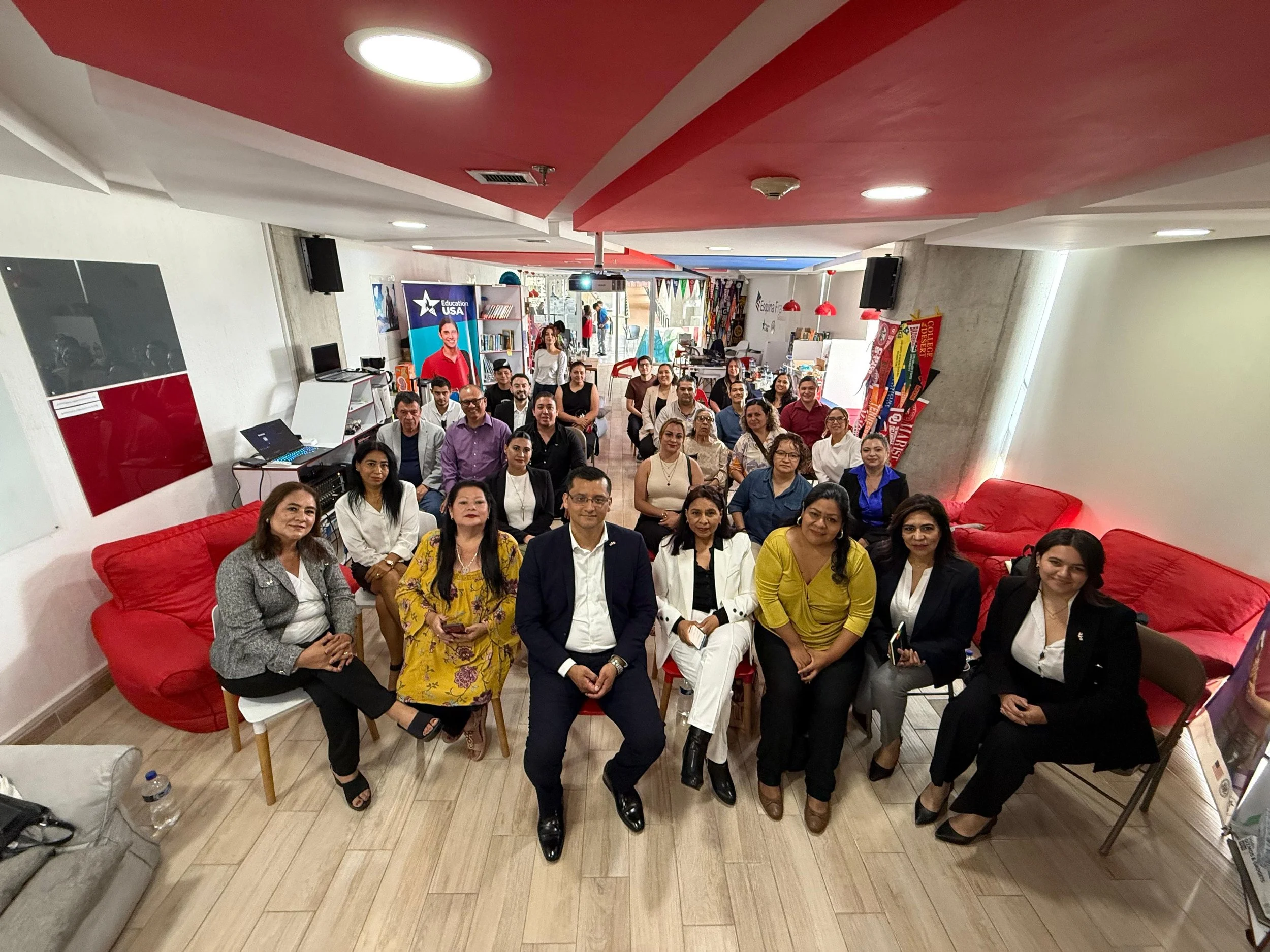
Mexico, Guadalajara, Jalisco. American Corner Guadalajara (Library Program), Academy for Women Entrepreneurs (AWE), U.S. Department of State U.S. Speaker Program — Target of Opportunity (June 13, 2025). Rodríguez led a session for women entrepreneurs on the practical application of artificial intelligence in small business operations, focusing on accessible tools, responsible implementation, and strategies to enhance productivity and digital competitiveness without requiring technical specialization.
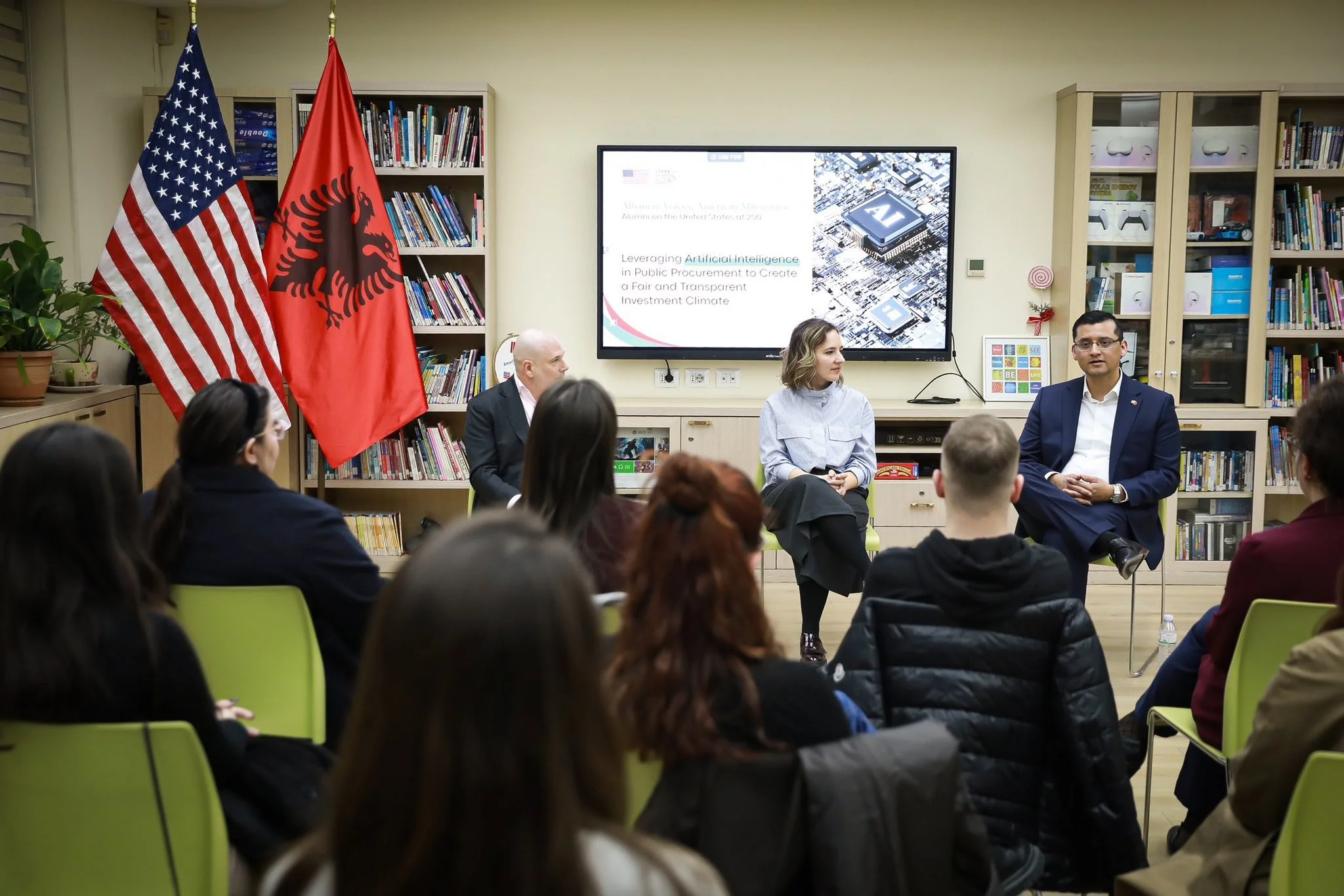
Albania, Tirana. American Corner Tirana, open public event (Youth and Students – AI Applications and Challenges), U.S. Department of State U.S. Speaker Program (December 19, 2025). Rodríguez led a discussion with youth and university audiences on practical AI applications, governance risks, and the role of responsible technology adoption in strengthening public institutions and economic development ecosystems.
Albania, Tirana. RIT Albania (Harry Fultz Campus), academic engagement under the U.S. Department of State U.S. Speaker Program (December 15, 2025). Rodríguez facilitated an interactive discussion with professors and students on AI in higher education, exploring benefits, governance challenges, and frameworks for responsible implementation aligned with public-sector transparency and institutional accountability.
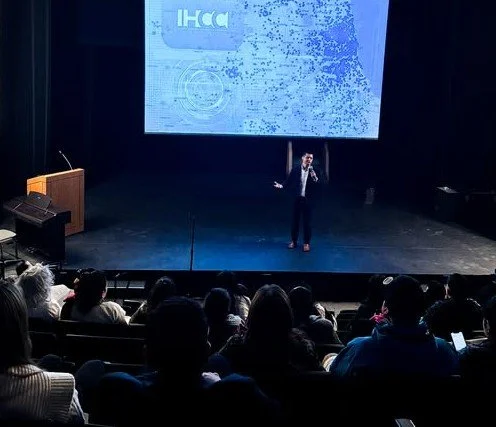
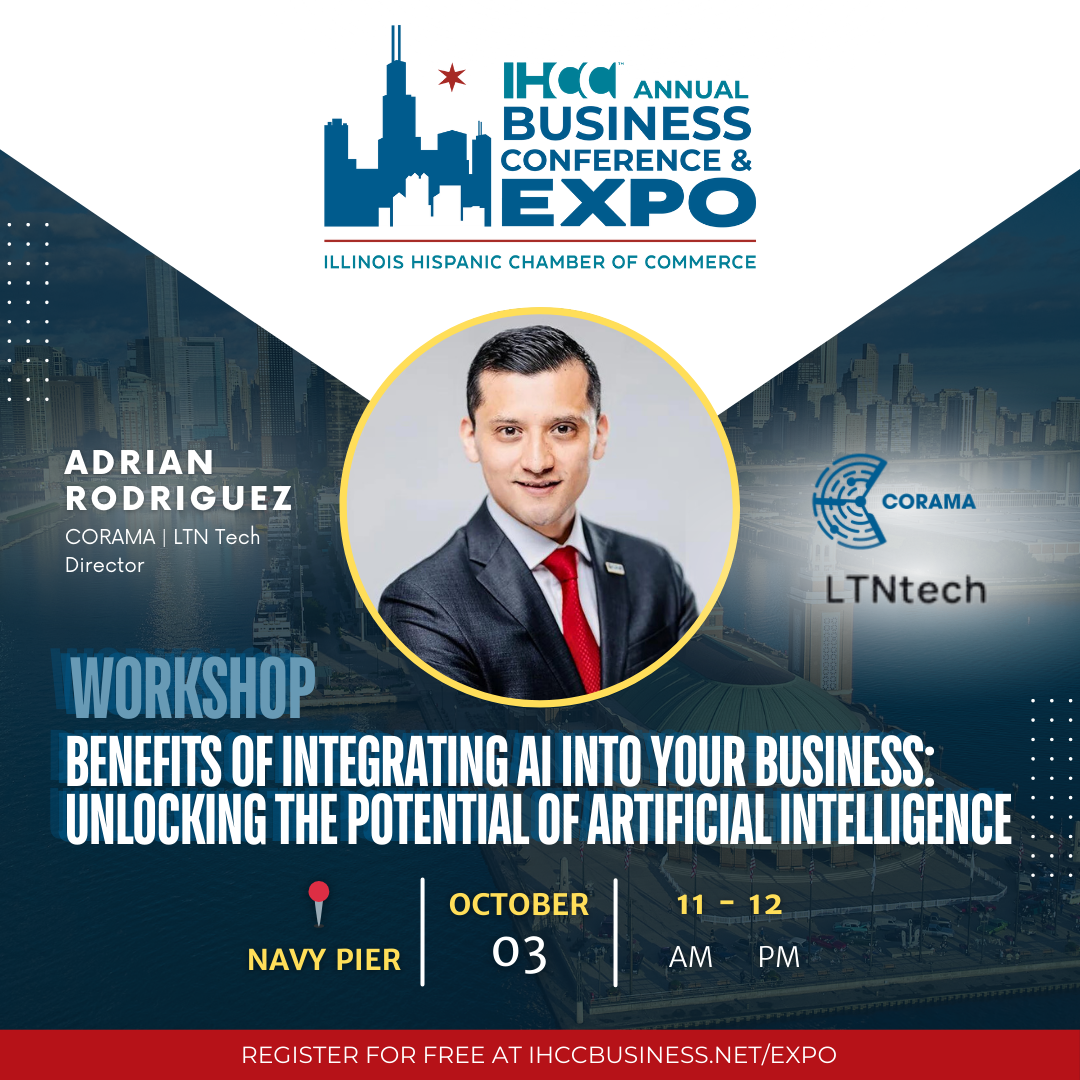
United States, Chicago, Illinois. City Colleges of Chicago – Wilbur Wright College, invited lecture on Entrepreneurship and Artificial Intelligence (2025). Rodríguez delivered a session examining how AI tools can support early-stage venture development, operational efficiency, and market validation, with emphasis on accessible adoption strategies for student entrepreneurs and small business founders navigating resource-constrained environments.
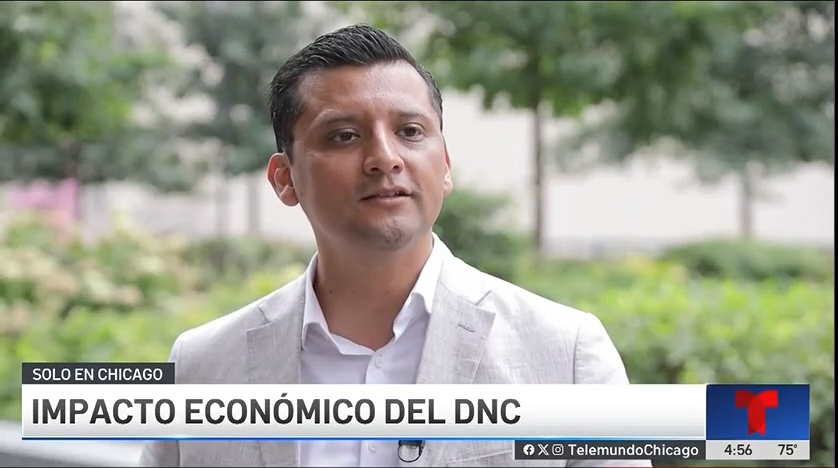
United States, Chicago, Illinois. Telemundo Chicago and NBC Chicago, media interviews on the economic impact of the Democratic National Convention (DNC) on the Chicago economy (2024). Rodríguez provided analysis on projected local economic activity, small business participation, hospitality and service-sector effects, and broader implications for urban economic development and procurement opportunities tied to large-scale political events.
Honduras, Tegucigalpa. Banco Atlántida, small business convening under the U.S. Department of State U.S. Speaker Program, “Leveraging Artificial Intelligence for Business” (June 24, 2025). Rodríguez delivered a practical workshop for small business owners on applied AI tools, guiding participants through live development exercises and demonstrating accessible solutions to improve operations, customer engagement, and decision-making.
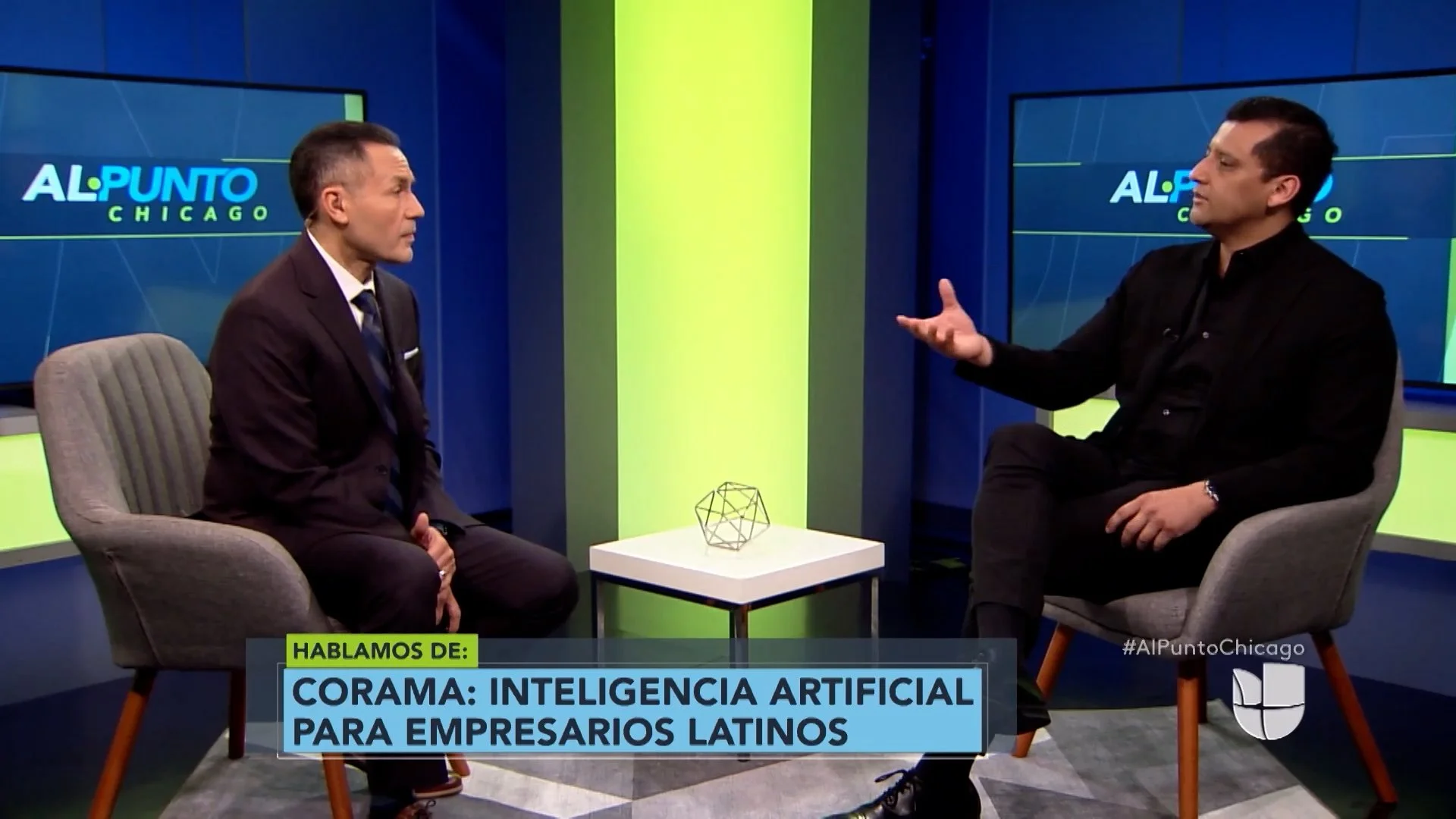
United States. Univision, Al Punto with Enrique Acevedo (2025). Rodríguez was interviewed on the role of artificial intelligence in expanding procurement access and economic opportunity for Latino and minority-owned businesses, discussing how AI-enabled tools can reduce information asymmetries, improve contract discovery, and strengthen participation in institutional and public-sector markets.